- Coming Oct 19th: Don't Call Me Darlin'
Coming October 19th: Don't Call Me Darlin'
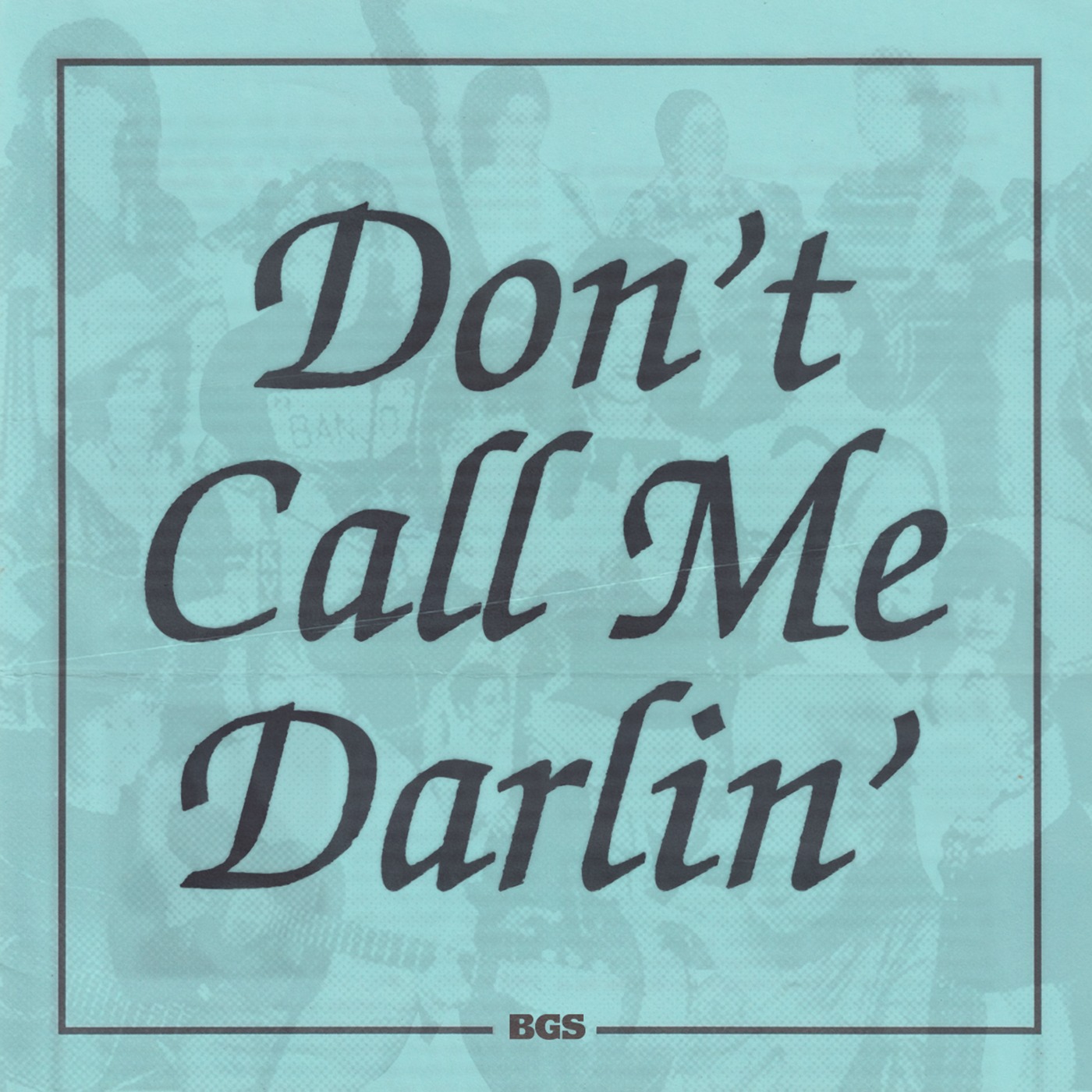
Before social media, the women of bluegrass had a bright blue newsletter that showed up in the mailbox and said what no one would say out loud. In Don't Call Me Darlin', host Carolyn Kendrick and co-creator Tristan Scroggins hit the road to find the women Murphy Henry profiled decades ago, in a story about genre, identity, feminism, and the communities we built before the internet.
What can our foremothers teach us about how to challenge the system? And when should we challenge our own expectations? In conversations with legends such as Alice Gerrard, Kristin Scott Benson, Laurie Lewis, Missy Raines, Alison Brown, Rhonda Vincent, Sierra Hull, Bronwyn Keith-Hynes, and many more, our hosts learn how tradition can bring community together and how it can break it apart. Join Carolyn and Tristan on their road trip as they explore the paradoxical world of bluegrass: an American art form with American problems, strengths, and growing pains.
Episode one will be available everywhere you listen to podcasts October 19th, 2026.
Don’t Call Me Darlin’ is based on the Women in Bluegrass newsletter that was published quarterly from 1994–2003 by Murphy Hicks Henry. More information about Murphy, including how to purchase her book Pretty Good for a Girl: Women in Bluegrass, can be found at https://www.murphymethod.com/
Read the Women in Bluegrass digital archive, created by Tristan Scroggins: womeninbluegrassarchive.org
To help support the archive, consider making a tax-deductible donation at: https://fundraising.fracturedatlas.org/the-women-in-bluegrass-archive-project
For more information on our hosts and their other ongoing projects, please visit:
Carolyn Kendrick: https://www.carolynkendrick.com/
Tristan Scroggins: https://www.tristanscroggins.com/
Follow Don’t Call Me Darlin’ on social media: https://linktr.ee/dontcallmedarlin
Interested in sponsoring us? Contact BGS: https://bit.ly/sponsorBGSpods
Underwriting Inquiries: info@womeninbluegrassarchive.org
S1 - 4m - Oct 15, 2026 - Don't Call Me Darlin': Coming 2026
Hey! Tristan Scroggins + Carolyn Kendrick here. We have a new show coming soon and we want you to know about it! It’s called Don’t Call Me Darlin’, an eight part narrative journalism podcast about music, feminism, and community. Episode One will be launching in the spring but you can listen to the trailer now, as well as subscribe wherever you listen to podcasts.
Do you remember Life Before the Internet? I barely remember. Twenty-first century life is so digitally saturated that it's very easy to yearn for a more unplugged time. Which is probably why I went deep down this rabbit hole when my friend Tristan Scroggins showed me something amazingly unplugged: a stack of physical underground feminist music newsletters from the 1990s. These newsletters were made without computers, without AI, without social media. And they were made for women, by women: women who played bluegrass.
You might be surprised to hear feminism and bluegrass in the same breath, considering the genre's reputation as a more rural, conservative folk music from the American South. When people typically stereotype underground feminists throughout history, they tend to think of movements like Riot Girl or mid-century housewives passing around copies of the feminine mystique. But there might be more of a connection between these worlds than meets the eye.
In 1994, a Virginia banjo player named Murphy Hicks Henry was fed up. Up until recently, it was almost impossible to get a job in an existing bluegrass band as a woman unless you were married to or related to a band member, or started an all-girl band of your own. So, Murphy created this physical newsletter to change that and called it Women in Bluegrass. These newsletters were distributed for almost a decade and to thousands of readers, and the interviews and articles reflected the very real struggles of playing in a male dominated music. When Tristan and I started reading through this catalog, we couldn't help but wonder: what did these women think now? Do they still agree with their younger selves? And what do younger generations of women playing this music now think of its influence? So we decided to go ask.
For as hard as it is to remember life before the internet, it's even harder to understand experiences of earlier generations. The more distanced we are from our elders' experiences, the easier it is to unfairly romanticize the past without learning its lessons. So join us for our eight-part road trip as we explore the paradoxical world of bluegrass, an American art form with American problems, strengths, and growing pains. And no matter if you live and breathe bluegrass or can't stand the sight of a banjo, this story has something for you. Thanks for being here. Please subscribe wherever you listen to podcasts. Episode one will be here before you know it. See you soon.
Our project website: https://www.womeninbluegrass.org/
Visit the newsletter archive: https://womeninbluegrass.omeka.net/exhibits/show/wibgarchpreview/issue_1_preview
Make a tax-deductible donation to fund this project: https://www.womeninbluegrass.org/sponsorship
S1E1 - 4m - Dec 11, 2025