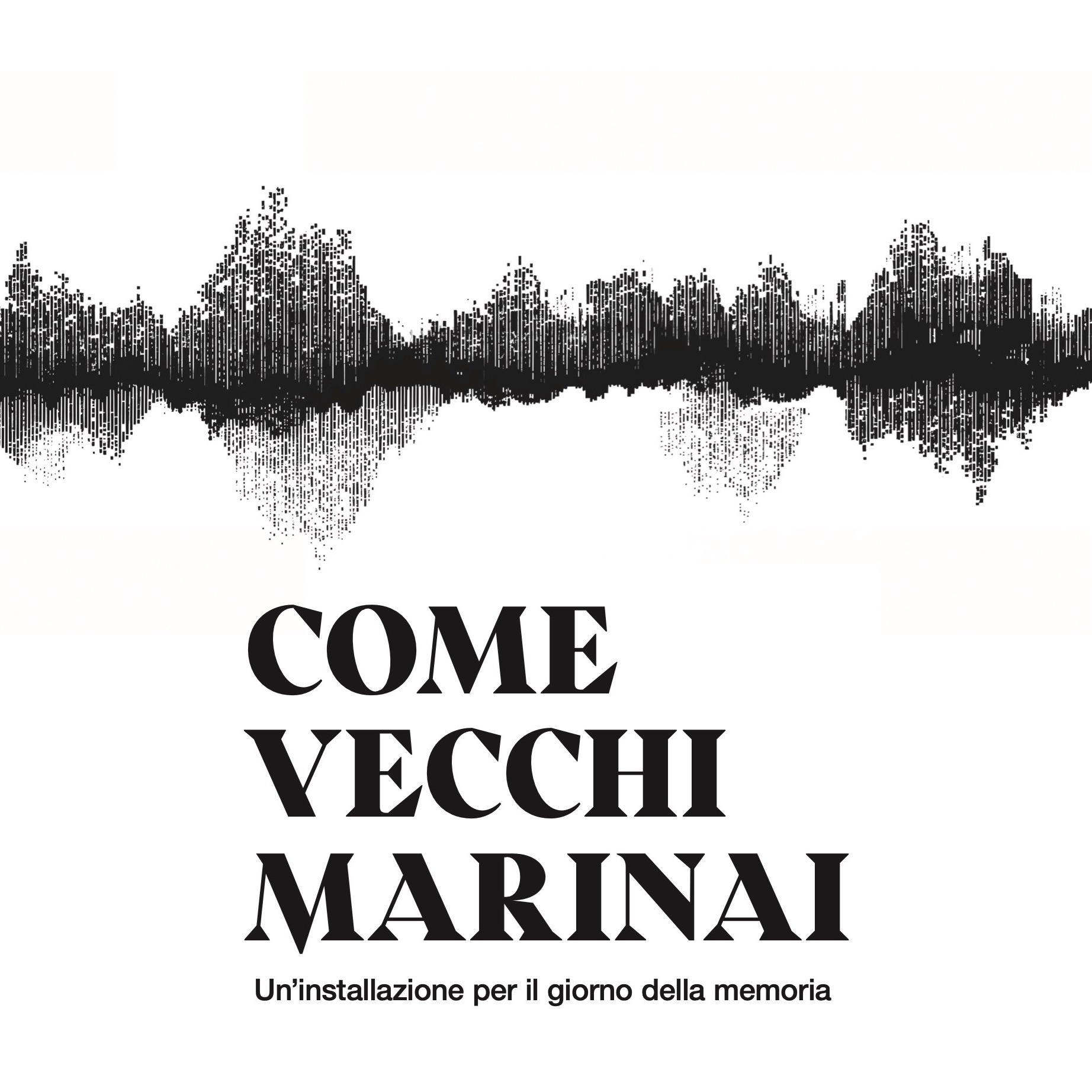
05. Maria Montuoro - Come vecchi marinai
2m | Jan 21, 2026English below
Maria Montuoro
Quando quel treno dalle lunghe tappe
e dalle lunghe soste
quel treno carico di gente come me
ansiosa solo di ritornare
arrivò nella grande città
confusa e indifferente
dove nessuno ci aspettava alla stazione
quella città della quale non ricordavo più
le vie e le case.
Quando ritrovai i volti che avevo sognati con spasimo
e ritrovai il mio letto
(il letto non era più quello, ma non importa
era pur sempre un letto,con lenzuola,
anche se la mia pelle troppo presto aveva dimenticato
l’aspro contatto con il saccone di paglia.)
Quando ritrovai gli esseri cari
(gli esseri cari non erano più quelli, ma non importa,
importava soltanto che ci fossimo ritrovati,
anche se il tempo, quel tempo terribile e singolare,
aveva scavato in loro zone d’ombra
e mi apparivano un poco come sconosciuti
che dovessi imparare a conoscere, […])
E quando mi ritrovai nel bel mezzo
della matassa imbrogliata della mia vita
(io non riuscivo ancora ad aderirvi
a sentirmici dentro,
a prenderla come fosse vera
[…])
Allora finalmente mi parve di capire
che non si può vivere e ricordare,
che bisognava essere di quella vita o di questa,
e non compresi
che cancellare il ricordo non era vivere
ma soltanto un modo di morire.
Io ho dimenticato il vostro volto,
compagne che non tornerete più.
Se potessi incontrarvi per la strada, forse,
non vi riconoscerei neppure, e voi
non riconoscereste la compagna
che si distingueva dalle altre
per la forma degli strappi, delle macchie
nell’abito consunto
e da mille piccoli altri segni
che dopo nel ricordo si smarriscono.
Pure, di voi, ancora son rimaste
alcune cose che non si cancellano
dalle vostre apparenze senza volto.
Di te ricordo Jole che avevi tanta paura,
tanta paura di morire, nel campo,
per eliminazione, tu
che poi in questo modo sei morta:
….. Ricordi, Jole, come eri brava
nel pettinare le nostre corte chiome
[….]
E tu, Nide, ricordi …..
Durante l’interrogatorio
ti avevano bastonata a sangue e con un pugno
slogata la mascella.
Ricordi, Nide, come eri bella e forte
quando attraversavi la lunga camerata
a Fossoli di Carpi, […]
Rivedo ancora
il mutamento nel tuo giovane volto
al nostro arrivo in campo di eliminazione
[….]
E tu Rosetta, o Rosetta, ricordi
Maria Montuoro, sopravvissuta a Ravensbruck
Maria Montuoro (1909-2001), palermitana, partecipa alla Resistenza in Lombardia ed è arrestata nel 1944; incarcerata a San Vittore, è deportata poi a Ravensbrück. Ha attraversato l'esperienza della prigionia e della deportazione con quella vitalità e carica ironica che protegge la vita dall’offesa della violenza fascista e nazista. I compagni di prigionia a San Vittore e a Fossoli ricordano le parodie delle canzoni allora in voga che scriveva per loro. L'ironia non è mai superficialità e la memoria della deportazione diventa per lei la radice di quella inquietudine che al ritorno impedisce di essere pacificati con sé stessi, ma tiene sveglia l'attenzione su di sé e su quello che succede nel mondo. Se è a lei che dobbiamo la traduzione italiana del Canto dei deportati, suoi sono alcuni testi di testimonianza ormai quasi dimenticati, ma ancora vivi nella volontà di raccontare tenendosi sempre lontana dalla retorica.
La poesia letta, rimasta a lungo inedita, è stata pubblicata per la prima volta nel catalogo Frida e le altre, a cura di E. Ruffini, Il filo di Arianna per la Fondazione Fossoli, Bergamo 20219 e oggi è raccolta in Boschi cantate per me, a cura di Anna Paola Moretti, Enciclopedia delle donne, 2025.
_______________________________________________________________________________
When that train with its long journeys
and long stops
that train full of people like me
eager only to return
arrived in the big city
confused and indifferent
where no one was waiting for us at the station
that city whose streets and houses I no longer remembered.
When I found the faces I had dreamed of with anguish
When I found the faces I had dreamed of with anguish
and found my bed
(the bed was no longer the same, but it didn't matter
it was still a bed, with sheets,
even if my skin had too quickly forgotten
the harsh contact with the straw mattress).
When I found my loved ones again
(my loved ones were no longer the same, but it didn't matter,
all that mattered was that we had found each other again,
even if time, that terrible and singular time,
had carved out areas of shadow in them
and they seemed a little like strangers to me
whom I had to get to know, [...])
And when I found myself in the middle
of the tangled mess of my life
(I still couldn't accept it
feel myself inside it,
take it as if it were real
[...])
Then I finally seemed to understand
that you can't live and remember,
that you had to be of that life or this one,
and I didn't understand
that erasing the memory was not living
but only a way of dying.
I have forgotten your faces,
companions who will never return.
If I could meet you on the street, perhaps,
I would not even recognise you, and you
would not recognise the companion
who stood out from the others
because of the shape of the tears, the stains
on her worn dress
and a thousand other small signs
that are now lost in memory.
Yet, of you, there are still
some things that cannot be erased
from your faceless appearances.
I remember you, Jole, how you were so afraid,
so afraid of dying in the camp,
by elimination, you
who then died in this way:...
Do you remember, Jole, how good you were
at combing our short hair
[....]
And you, Nide, do you remember ...
During the interrogation,
they beat you bloody and punched you,
dislocating your jaw.
Do you remember, Nide, how beautiful and strong you were
when you crossed the long dormitory
in Fossoli di Carpi, [...]
I can still see
the change in your young face
when we arrived at the extermination camp
[….]
And you, Rosetta, oh Rosetta, do you remember
Maria Montuoro, who survived Ravensbruck
Maria Montuoro (1909-2001), from Palermo, took part in the Resistance in Lombardy and was arrested in 1944. She was imprisoned in San Vittore and then deported to Ravensbrück. She endured imprisonment and deportation with a vitality and sense of humour that protected her life from the offensiveness of Fascist and Nazi violence. Her fellow prisoners in San Vittore and Fossoli remember the parodies of popular songs she wrote for them. Her irony was never superficial, and the memory of her deportation became the root of a restlessness that prevented her from finding peace within herself upon her return, but kept her alert to herself and to what was happening in the world. If we owe her the Italian translation of Canto dei deportati (Song of the Deportees), she also wrote some testimonies that are now almost forgotten but still alive in their desire to tell their story, always steering clear of rhetoric.
The poem, which remained unpublished for a long time, was published for the first time in the catalogue Frida e le altre, edited by E. Ruffini, Il filo di Arianna for the Fossoli Foundation, Bergamo 20219, and is now included in Boschi cantate per me, edited by Anna Paola Moretti, Enciclopedia delle donne, 2025.