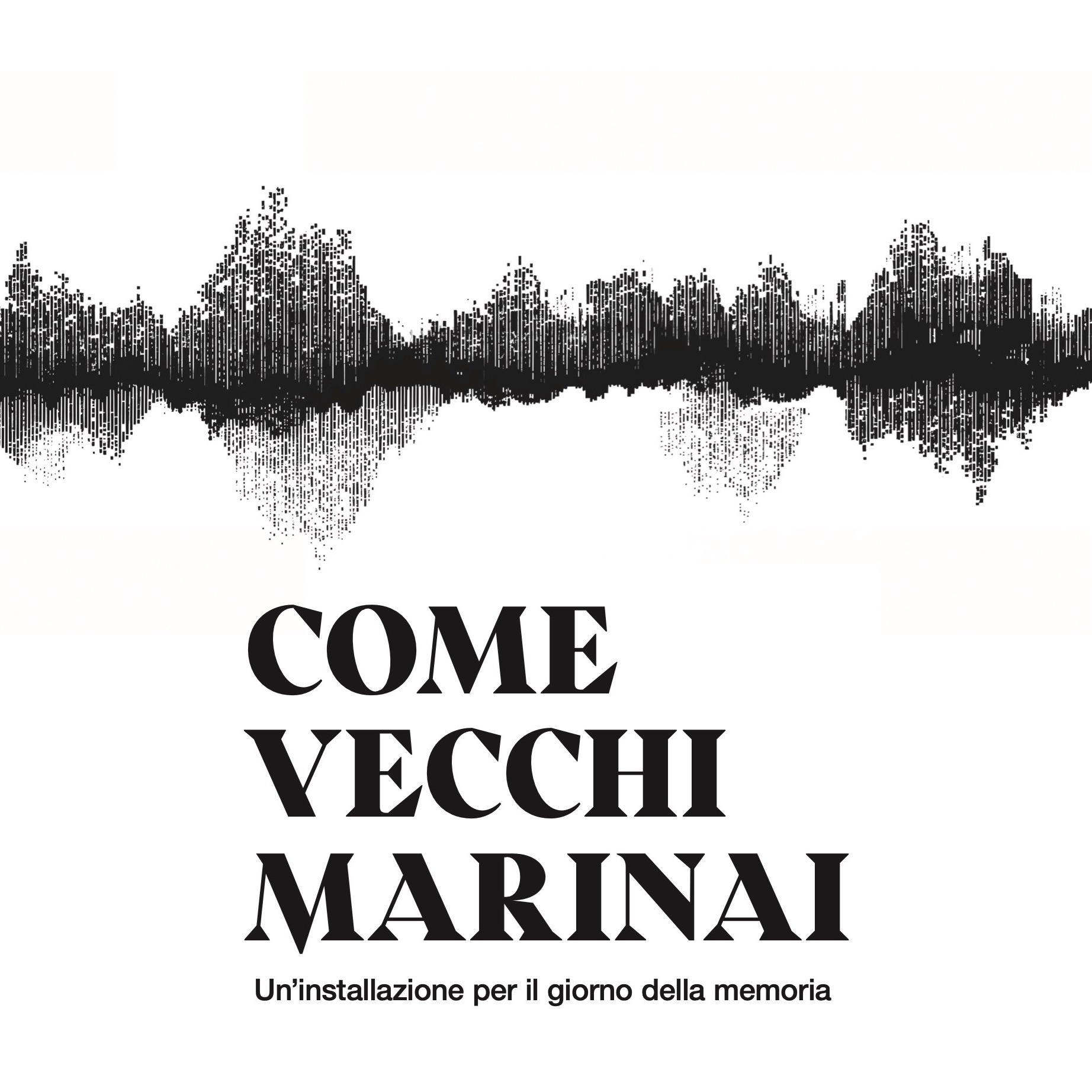
01. Primo Levi - Come vecchi marinai
2m | Jan 16, 2026English Below
Mi pareva che mi sarei purificato raccontando, e mi sentivo simile al vecchio Marinaio di Coleridge, che abbranca in strada i convitati che vanno alla festa per infliggere loro la sua storia di malefizi.
1.Primo Levi
Il rigido gennaio 1946, quando ancora la carne e il carbone erano razionati, nessuno aveva l’automobile, e mai in Italia si era respirata tanta speranza e libertà.
Ma io ero ritornato dalla prigionia da tre mesi, e vivevo male. Le cose viste e sofferte mi bruciavano dentro; mi sentivo più vicino ai morti che ai vivi, e colpevole di essere uomo, perché gli uomini avevano edificato Auschwitz, ad Auschwitz aveva ingoiato milioni di esseri umani, e molti miei amici, ed una donna che mi stava nel cuore. Mi pareva che mi sarei purificato raccontando, e mi sentivo simile al vecchio Marinaio di Coleridge, che abbranca in strada i convitati che vanno alla festa per infliggere loro la sua storia di malefizi. Scrivevo poesie concise e sanguinose, raccontavo con vertigine, a voce e per iscritto [...] e mi sentivo ridiventare uomo, uno come tutti, né martire né infame né santo, uno di quelli che si fanno una famiglia, e guardano al futuro anziché al passato.
Poiché di poesie e di racconti non si vive, cercavo affannosamente un lavoro, e lo trovai nella grande fabbrica in riva al lago, ancora guasta per la guerra, assediata in quei mesi dal fango e dal ghiaccio. Nessuno si occupava molto di me: colleghi, direttore ed operai avevano altro da pensare, al figlio che non tornava dalla Russia, alla stufa senza legna, alle scarpe senza suole, ai magazzini senza scorte, alle finestre senza vetri, al gelo che spaccava i tubi, all’inflazione e alla carestia, ed alle virulente faide locali. Mi era stata benignamente concessa una scrivania zoppa in laboratorio, in un cantuccio pieno di fracasso e di correnti d’aria e di gente che andava e veniva con in mano stracci e bidoni, e non mi era stato assegnato alcun compito definito; io, vacante come chimico ed in stato di piena alienazione (ma allora non si chiamava così), scrivevo disordinatamente pagine su pagine di ricordi che mi avvelenavano, ed i miei colleghi mi guardavano di sottecchi come uno squilibrato innocuo.
Primo Levi, sopravvissuto a Auschwitz - Monowitz
Biografia
Primo Levi (1919-1987), testimone italiano per eccellenza dei Lager e della Shoah, è stato giovane studente universitario perseguitato dalla leggi razziste dell’Italia fascista. Ha cercato nella Bibbia prima, nella chimica e nella montagna poi il suo antifascismo, cercando un modo di vivere e guardare l’esperienza al di là della retorica, ma nel suo farsi concreto e vero. Unitosi a una banda in formazione, viene catturato a Brusson in Val d’Ayas, insieme a due compagni: si dichiara “ebreo” e viene trasferito a Fossoli.
Deportato a Auschwitz-Monowitz, il suo lavoro di chimico si rivela per lui una di quelle fortune che salvano: gli permette infatti di lavorare al caldo e lontano dai colpi dei Kapo. Rientrato in Italia, torna a fare il chimico e scrive: il suo Se questo è un uomo è stato scritto subito e pubblicato nel 1947, settimo libro apparso in Italia dedicato ad Auschwitz e primo di un lungo elenco di quelli scritti da Levi. Il suo scrivere di Auschwitz si intreccerà al raccontare a voce agli altri, in un impegno condiviso con i compagni dell’Associazione Nazionale ex deportati e radicato nell’urgenza di prendere la parola per dire che quando la difesa del privilegio e della disuguaglianza diventano verbo di una collettività alla fine c’è il Lager.
Il testo letto è tratto da Il sistema periodico, Einaudi, Torino, 1975
English
I felt that I would be purified by telling my story, and I felt like Coleridge's old sailor, who grabs guests on their way to a party in order to inflict his tale of evil deeds upon them.
1.Primo Levi
In the harsh January of 1946, when meat and coal were still rationed, no one had a car, and Italy had never breathed so much hope and freedom.
But I had been back from captivity for three months, and I was living badly. The things I had seen and suffered burned inside me; I felt closer to the dead than to the living, and guilty of being human, because humans had built Auschwitz, Auschwitz had swallowed millions of human beings, and many of my friends, and a woman who was dear to my heart. I felt that I would be purified by telling my story, and I felt like Coleridge's old sailor, who grabs guests on their way to a party in order to inflict his story of evil deeds upon them. I wrote concise and bloody poems, I told my story with vertigo, both verbally and in writing [...] and I felt myself becoming a man again, one like everyone else, neither martyr nor villain nor saint, one of those who start a family and look to the future rather than the past.
Since one cannot live on poetry and stories alone, I searched frantically for a job, and found one in the large factory on the lake shore, still damaged by the war and besieged by mud and ice in those months. No one paid much attention to me: my colleagues, the manager and the workers had other things to think about, such as their sons who had not returned from Russia, their stoves without wood, their shoes without soles, their warehouses without supplies, their windows without glass, the frost that broke the pipes, inflation and famine, and the virulent local feuds. I had been kindly given a rickety desk in the laboratory, in a corner full of noise and draughts and people coming and going with rags and bins in their hands, and I had not been assigned any specific task; I, vacant as a chemist and in a state of complete alienation (but it wasn't called that then), wrote disorderly pages upon pages of memories that poisoned me, and my colleagues looked at me sideways as if I were a harmless madman.
Primo Levi, survivor of Auschwitz - Monowitz
Biography
Primo Levi (1919-1987), Italy's foremost witness to the concentration camps and the Shoah, was a young university student persecuted by the racist laws of Fascist Italy. He sought his anti-fascism first in the Bible, then in chemistry and in the mountains, looking for a way to live and view his experience beyond rhetoric, but in a concrete and true way. After joining a band in formation, he was captured in Brusson in Val d'Ayas, together with two comrades: he declared himself “Jewish” and was transferred to Fossoli.
Deported to Auschwitz-Monowitz, his work as a chemist proved to be one of those strokes of luck that saved him: it allowed him to work in the warmth and away from the blows of the Kapos. Returning to Italy, he went back to work as a chemist and wrote: his If This Is a Man was written immediately and published in 1947, the seventh book to appear in Italy dedicated to Auschwitz and the first in a long list of those written by Levi. His writing about Auschwitz was intertwined with telling his story to others, in a commitment shared with his comrades in the National Association of Former Deportees and rooted in the urgent need to speak out and say that when the defence of privilege and inequality become the watchword of a community, the end result is the concentration camp.
The text read is taken from The Periodic Table, Einaudi, Turin, 1975.