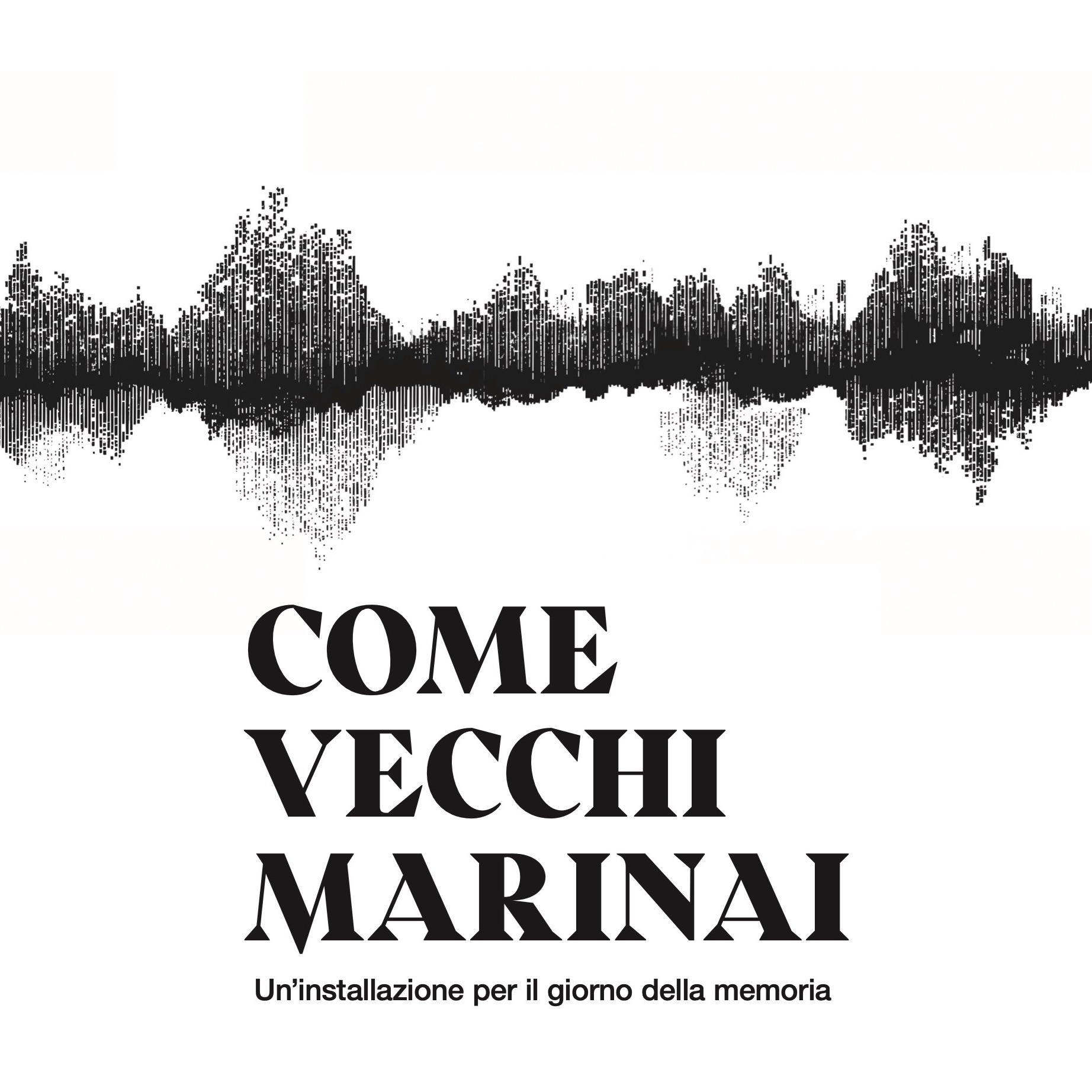
04. Lidia Beccaria Rolfi - Come vecchi marinai
4m | Jan 21, 2026English Below
Lidia Beccaria Rolfi
La sosta alla stazione del Brennero fu lunga [...] arrivammo a Pescantina, la stazione terminale della tradotta. Ci portarono, come sempre in camion, in un centro di raccolta, l’ultimo. C’erano delle tende, un caldo afoso e zanzare e moscerini dappertutto. [...]Quella notte dormii sotto le stelle, con lo zaino per cuscino, accucciata dietro la tenda di Mondovì. [...] le stelle italiane sembravano diverse da quelle tedesche, erano più luminose.
Il mattino dopo, alla stazione formammo due gruppi [...] noi salimmo sulla tradotta che andava a ovest destinazione Milano e Torino. Rividi il lago di Garda, seduta gambe penzoloni sulla porta della tradotta; all’andata lo avevo visto per la prima volta da una fessura del vagone piombato. Attraversammo molte stazioni e finalmente arrivammo a Milano. Era il capolinea. Da Milano ognuno doveva arrangiarsi per raggiungere la propria destinazione [...] c’era un treno per Torino che partiva verso le tre, non bisognava perderlo. Avevamo scoperto anche un centro di ristoro e un ufficio ricerca persone scomparse. In attesa del treno potevamo dare un’occhiata, c’erano anche molte fotografie di donne. [...] Le pareti erano tutte tappezzate di fotografie con il nome e il cognome, alcune avevano il nome presunto del Lager, altre riportavano la data di arresto e l’ultimo luogo di detenzione.
Osservavo i volti di tutte quelle donne scomparse: le fotografie le ritraevano in istantanee di vita familiare o in posa nello studio del fotografo di moda. Alcune erano giovani, eleganti, altre più anziane, molte decisamente vecchie. Quasi tutte erano ebree, stando ai nomi e cognomi. L’occhio mi cadde su una fotografia che conoscevo fin troppo bene: me l’aveva scattata il fotografo di Piazza nell’estate del 1943, come premio per il diploma.
[...] staccai la fotografia e me la misi in tasca, ma la mia operazione non sfuggì all'addetta che per tutto il tempo era rimasta seduta alla scrivania, immersa nella lettura di una rivista. Mi ingiunse con voce perentoria di restituirla e allora le feci notare che quella fotografia mi apparteneva, che ero io la persona ricercata e gliela porsi perché si convincesse. Per tutta risposta che quella della fotografia non ero io, non mi riconosceva, non c’era nessuna somiglianza.
Tirai fuori dal taschino della camicia il documento che mi aveva rilasciato il comando inglese: nome, cognome, data e luogo di nascita, tutto corrispondeva, ma le fotografie sembravano di persone diverse. Dovetti ammetterlo: anch’io stentavo a riconoscermi in quella fotografia di soli due anni prima, effettivamente sembravo una persona diversa, era cambiato anche lo sguardo, avevo gli occhi rimpiccioliti, il viso gonfio, invecchiato. Mi chiese dove fossi stata. “A Ravensbrück”. Il nome non le diceva niente, nessuna donna di Ravensbrück era transitata per l’ufficio, non aveva mai sentito il nome di quel Lager, non l’aveva nemmeno notato sotto alla fotografia. Conosceva solo Auschwitz, c’erano molte persone che si supponeva fossero arrivate da Auschwitz, ma Ravensbruck era nome nuovo. Non chiese di più, non era curiosa, solo dubbiosa: chissà se questo Lager di donne era veramente esistito, visto che non ero nemmeno ebrea. [...]
Nessuno sapeva, il nome non appariva da nessuna parte, i giornali parlavano di Mauthausen, Dachau, Flossenbürg, mai di Ravensbrück [...]
Capii che non avrei potuto raccontare. Non si racconta la fame, non si racconta il freddo, non si raccontano gli appelli, le umiliazioni, l’incomunicabilità, la disumanizzazione, il crematorio che fuma, l’odore di morte dei blocchi, la voglia di solitudine, il sudicio che entra nella pelle e ti incrosta. Tutti hanno avuto fame e freddo e sono stati sporchi almeno una volta e redono che fame, freddo e fatica siano uguali per tutti.
Non avrei raccontato, almeno per ora, forse avrei parlato dell’evacuazione, un avvenimento simile ad altri racconti di guerra come la ritirata di Caporetto, o la ritirata di Russia che altri avevano già raccontato e poteva servire di confronto. Avrei raccontato forse questo ai miei, avrebbero capito. Forse [...]
Lidia Rolfi, sopravvissuta a Ravensbruck
Biografia
Lidia Beccaria Rolfi (1925-1996) partecipa alla Resistenza nel cuneese ed è arrestata nell’aprile 1944. Trasferita a Saluzzo e quindi nelle carceri di Torino, è poi deportata a Ravensbrück. Nel dopoguerra vive sulla propria pelle la difficoltà di trovare un posto alla sua storia di sopravvissuta e di donna. Con tenacia, si impegna da una parte a vivere in una dimensione anticonformista capace di attenzione alle storie degli altri, dall' altra a far sentire la voce della deportazione femminile. Insieme ad A. M. Bruzzone pubblica nel 1978 Le donne di Ravensbrück, pietra miliare nella costruzione della memoria della deportazione delle donne e nel 1994, per l’Associazione nazionale ex deportati, di cui fa parte fin dalla fine degli anni 40, organizza il primo convegno sulla deportazione femminile che si tiene in Italia, una prima anche rispetto ad altre nazioni europee.
Il testo letto è tratto dal suo L’esile filo della memoria, Einaudi, Torino, 1996.
_______________________________________________________________________________
Lidia Beccaria Rolfi
The stop at Brenner station was long [...] we arrived at Pescantina, the terminus of the train. As always, they took us by lorry to a collection centre, the last one. There were tents, sweltering heat and mosquitoes and gnats everywhere. [...] That night I slept under the stars, with my rucksack as a pillow, crouched behind the Mondovì tent. [...] The Italian stars seemed different from the German ones; they were brighter.
The next morning, at the station, we formed two groups [...] we boarded the train heading west to Milan and Turin. I saw Lake Garda again, sitting with my legs dangling from the door of the train; on the way there, I had seen it for the first time through a crack in the sealed carriage. We passed through many stations and finally arrived in Milan. It was the terminus. From Milan, everyone had to find their own way to their destination [...] there was a train to Turin leaving at around three o'clock, and we couldn't miss it. We also discovered a refreshment centre and a missing persons office. While waiting for the train, we took a look around; there were also many photographs of women. [...] The walls were covered with photographs with names and surnames, some had the presumed name of the concentration camp, others showed the date of arrest and the last place of detention.
I looked at the faces of all those missing women: the photographs showed them in snapshots of family life or posing in a fashion photographer's studio. Some were young and elegant, others older, many decidedly old. Almost all of them were Jewish, judging by their first and last names. My eye fell on a photograph I knew all too well: it had been taken by the photographer in Piazza in the summer of 1943, as a reward for my diploma.
[...] I took the photograph and put it in my pocket, but my action did not escape the attention of the clerk, who had been sitting at her desk the whole time, immersed in reading a magazine. She ordered me in a peremptory voice to return it, so I pointed out that the photograph belonged to me, that I was the person she was looking for, and I handed it to her so she could see for herself. She replied that it was not me in the photograph, that she did not recognise me, that there was no resemblance.
I took the document issued to me by the British command out of my shirt pocket: name, surname, date and place of birth, everything matched, but the photographs looked like different people. I had to admit it: even I struggled to recognise myself in that photograph taken just two years earlier. I did indeed look like a different person; even my gaze had changed, my eyes had shrunk, my face was swollen and aged. She asked me where I had been. “In Ravensbrück”. The name meant nothing to her. No woman from Ravensbrück had ever passed through her office. She had never heard of that camp and hadn't even noticed the name under the photograph. She only knew Auschwitz. There were many people who were supposed to have come from Auschwitz, but Ravensbrück was a new name. She didn't ask any more questions, she wasn't curious, just doubtful: who knows if this women's camp really existed, since I wasn't even Jewish. [...]
No one knew, the name did not appear anywhere, the newspapers talked about Mauthausen, Dachau, Flossenbürg, but never about Ravensbrück [...]
I realised that I couldn't talk about it. You can't talk about hunger, you can't talk about the cold, you can't talk about the roll calls, the humiliation, the lack of communication, the dehumanisation, the smoking crematorium, the smell of death in the blocks, the desire for solitude, the filth that gets into your skin and crusts over. Everyone has been hungry and cold and dirty at least once, and I realise that hunger, cold and fatigue are the same for everyone.
I wouldn't have told the story, at least for now. Perhaps I would have talked about the evacuation, an event similar to other war stories such as the retreat from Caporetto or the retreat from Russia, which others had already recounted and could serve as a comparison. Perhaps I would have told this to my family, they would have understood. Perhaps [...]
Lidia Rolfi, survivor of Ravensbruck
Biography
Lidia Beccaria Rolfi (1925-1996) participated in the Resistance in the Cuneo area and was arrested in April 1944. Transferred to Saluzzo and then to prisons in Turin, she was later deported to Ravensbrück. After the war, she experienced first-hand the difficulty of finding a place for her story as a survivor and as a woman. With tenacity, she committed herself on the one hand to living an unconventional life, attentive to the stories of others, and on the other to making the voice of female deportees heard. Together with A. M. Bruzzone, she published Le donne di Ravensbrück (The Women of Ravensbrück) in 1978, a milestone in the construction of the memory of the deportation of women. In 1994, for the National Association of Former Deportees, of which she had been a member since the late 1940s, she organised the first conference on the deportation of women held in Italy, a first even compared to other European countries.
The text read is taken from her L'esile filo della memoria (The Thin Thread of Memory), Einaudi, Turin, 1996.