- How to Speed Up Nerve Regeneration After Prostate Surgery?
Recovery of nerve function after prostate surgery is gradual and requires patience, as nerve fibres regenerate slowly. Nerve-sparing surgical techniques aim to preserve erectile function, but temporary nerve trauma is common. Proactive penile rehabilitation—using medications, vacuum devices, or injections—helps maintain healthy tissue and supports recovery while nerves heal. Lifestyle factors such as regular exercise, a balanced diet, and avoiding smoking also improve circulation and healing. Emerging therapies, including protective nerve membranes and regenerative medicine research, offer promising future approaches to enhance recovery outcomes.
Mr Sotonye Tolofari
Spire Manchester Hospital, 170 Barlow Moor Rd, West Didsbury,, Manchester M20 2AF, United Kingdom
(+44) 161 726 5100
sotonye@gmcu.co.uk
4m - Mar 11, 2026 - Side Effects of Prostate Surgery: What Patients Should Expect
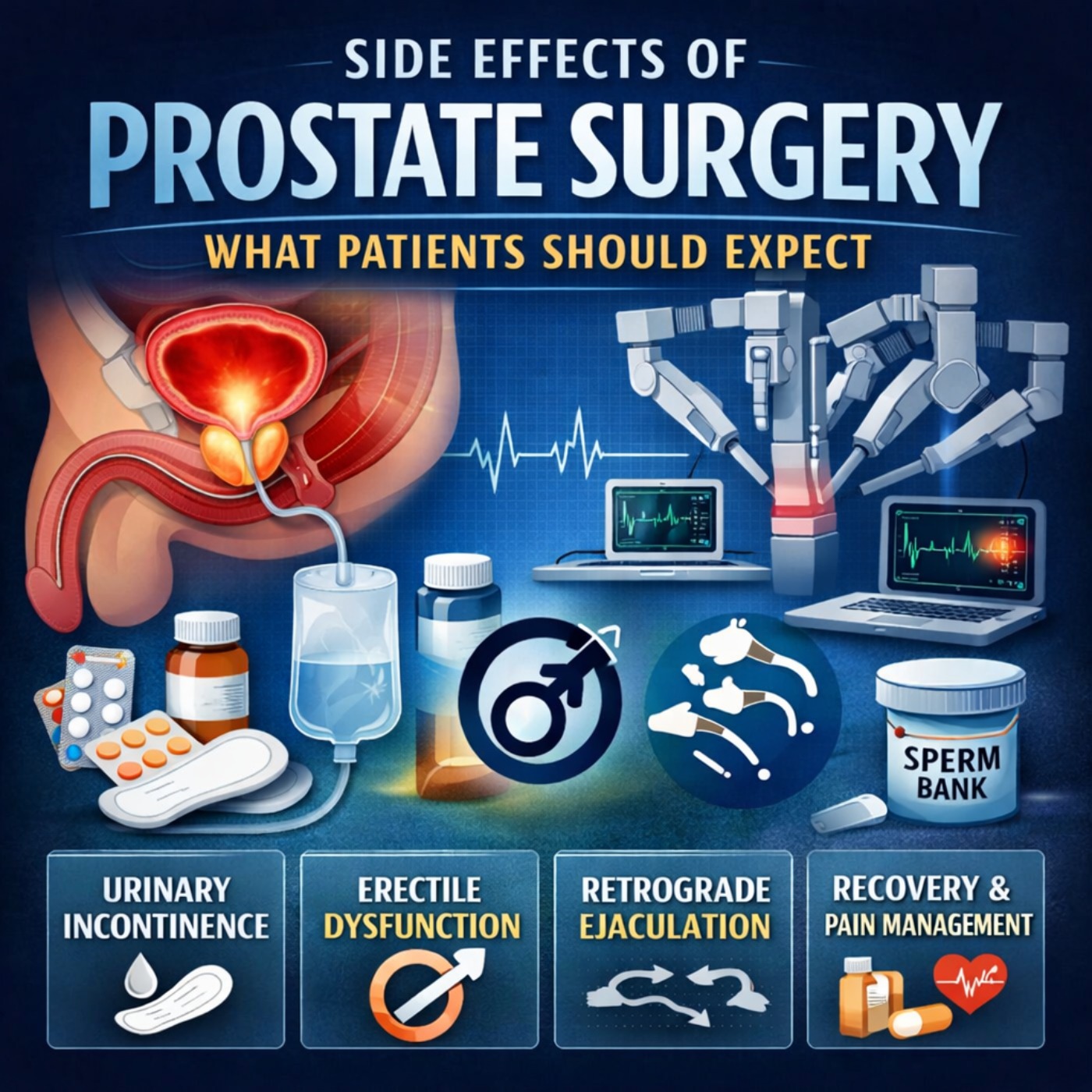
Prostate surgery is a significant step in managing conditions such as prostate cancer or BPH, and understanding potential side effects is essential. Common effects include temporary urinary incontinence and erectile dysfunction, with recovery varying by individual and surgical approach. Minimally invasive techniques can reduce pain and speed healing. Patients may also experience short-term risks such as infection or bleeding. With expert guidance, realistic expectations, and personalised care, most men can confidently navigate recovery and regain quality of life.
Mr Sotonye Tolofari
Spire Manchester Hospital, 170 Barlow Moor Rd, West Didsbury,, Manchester M20 2AF, United Kingdom
(+44) 161 726 5100
sotonye@gmcu.co.uk
4m - Feb 20, 2026