How to Achieve Financial Independence and Make Work Optional
0m | Nov 4, 2026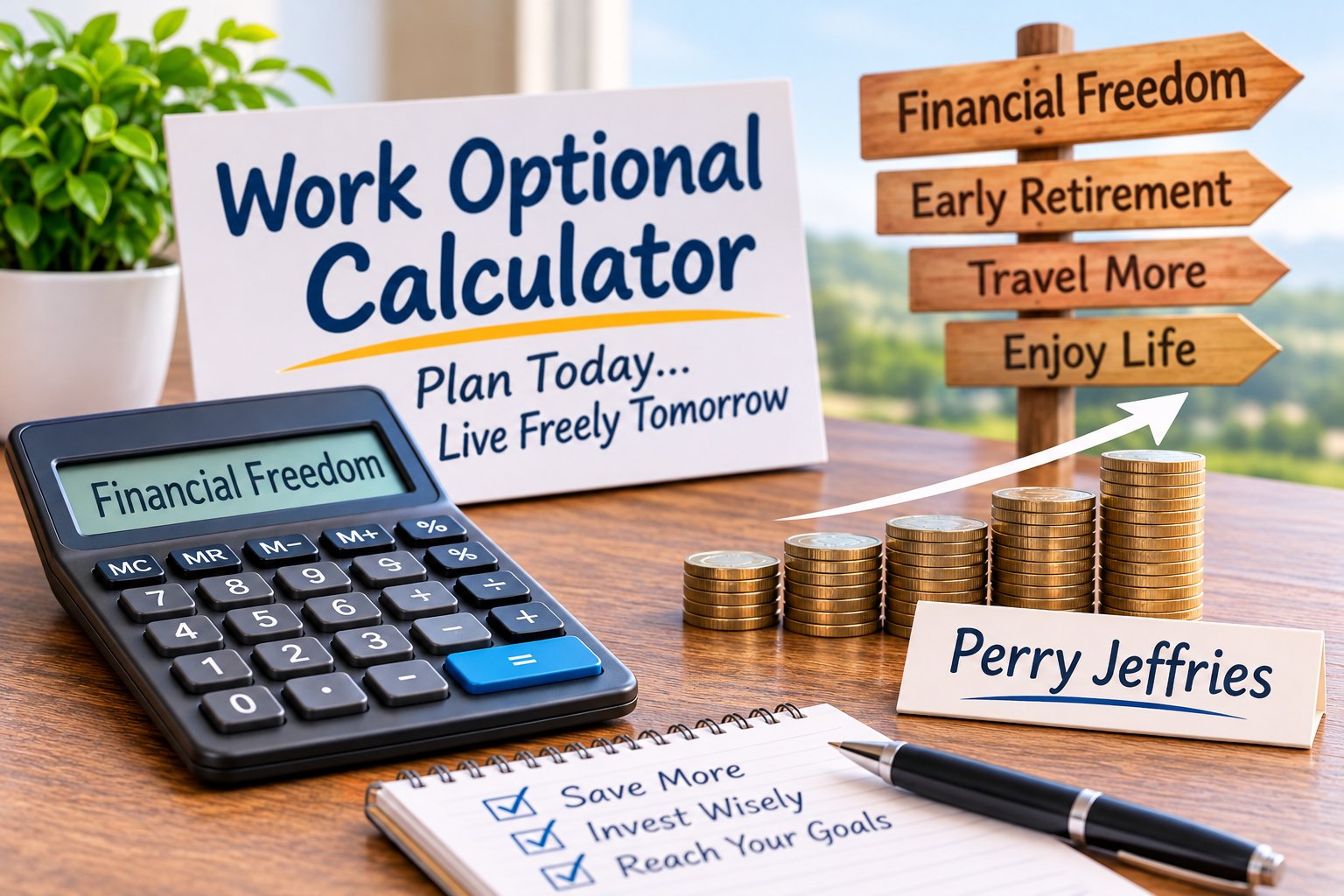
Financial independence is an important goal for people who want greater control over their time, careers, and personal lives. For many individuals, success is traditionally measured by earning a higher salary, purchasing a home, or advancing professionally. However, an increasing number of people are beginning to define success differently. They want the freedom to decide whether, when, and how they work without relying entirely on a regular paycheck.
Achieving this goal requires thoughtful financial planning, consistent saving habits, and a clear understanding of future expenses. Whether someone wants to retire early, start a business, work part-time, or spend more time with family, developing a financial independence strategy can make those possibilities more realistic.
What Does It Mean to Make Work Optional?
Making work optional does not necessarily mean retiring permanently or stopping all professional activities. Instead, it means reaching a financial position where employment becomes a choice rather than a necessity.
People who achieve this level of financial flexibility may continue working because they enjoy their careers, want to pursue meaningful projects, or appreciate the social benefits of employment. Others may choose to reduce their working hours, explore entrepreneurship, travel, or dedicate more time to personal interests.
The central idea is having enough financial resources to cover living expenses without depending entirely on employment income.
However, work-optional living looks different for everyone. A person with modest expenses and limited financial obligations may need fewer resources than someone who maintains an expensive lifestyle. Therefore, defining personal goals and estimating future costs are essential first steps.
Why Financial Planning Is Essential
Financial independence rarely happens by accident. It generally develops through a combination of spending discipline, income growth, debt management, and long-term investing.
Without a clear plan, it can be difficult to determine whether current financial habits are moving someone closer to independence. A person might earn a substantial income but save very little because expenses increase alongside earnings. Another person with a moderate income may make steady progress by maintaining manageable costs and investing consistently.
A financial plan helps connect everyday decisions with long-term objectives. It can also identify potential challenges, such as rising living expenses, unexpected medical costs, market fluctuations, and changes in family responsibilities.
Creating a realistic plan begins with understanding current income, monthly spending, outstanding debts, savings, investments, and the lifestyle someone hopes to maintain in the future.
How a Work Optional Calculator Can Help
Estimating the amount of money required to achieve financial independence can feel overwhelming without a starting point. A work optional calculator can help simplify the process by illustrating how savings, spending, investment growth, and time may influence a person's financial future.
Depending on the tool, users may be able to enter their annual expenses, current investments, savings contributions, expected investment returns, and target date. The resulting estimates can help them understand whether their current strategy appears consistent with their goals.
For example, someone who spends $40,000 annually may require a different financial portfolio from someone who spends $80,000 annually. The difference highlights why personal spending habits are often just as important as income when planning for independence.
Calculators can also help people compare possible scenarios. They might explore how increasing monthly savings, reducing unnecessary expenses, or extending their investment timeline could affect their progress.
Nevertheless, these tools provide estimates rather than guarantees. Investment returns vary, inflation affects purchasing power, and individual circumstances can change. Any calculation should therefore be treated as a planning guide rather than a promise of future financial security.
Understanding Your Financial Independence Number
A financial independence number is an estimate of the assets needed to support a desired lifestyle without depending primarily on employment income.
One commonly discussed approach uses annual expenses and a withdrawal-rate assumption. For example, multiplying annual expenses by 25 produces a portfolio target equivalent to 25 times those expenses.
If a household expects to spend $50,000 annually, this method suggests a preliminary target of $1.25 million.
However, this is only a simplified illustration. The appropriate amount depends on investment allocation, taxes, inflation, retirement duration, healthcare costs, and other financial circumstances. A longer retirement period may require a more conservative withdrawal strategy.
People should also consider income sources such as pensions, rental income, or other dependable cash flows when appropriate. These may change the amount that needs to come from an investment portfolio.
The most useful financial independence target is one based on realistic expenses and a plan that can adapt to changing conditions.
Practical Strategies for Building Financial Independence
1. Understand Your Spending Habits
Tracking expenses provides a clearer picture of where money goes each month. Categorize spending into essential costs, discretionary purchases, debt payments, and savings.
This exercise can reveal opportunities to redirect money toward financial goals without sacrificing everything that makes life enjoyable.
2. Build an Emergency Fund
Unexpected expenses can interrupt even a well-designed financial plan. An emergency fund provides a cash reserve for situations such as job loss, urgent repairs, or unforeseen bills.
The appropriate amount depends on income stability, household obligations, and personal circumstances. Keeping emergency savings accessible can also reduce the need to sell long-term investments during unfavorable market conditions.
3. Increase Your Savings Rate
The proportion of income saved and invested can significantly influence the time required to reach financial independence.
People can gradually increase this percentage by negotiating salaries, developing additional income streams, reviewing recurring subscriptions, or directing part of every pay increase toward investments.
Consistency is often more sustainable than attempting dramatic changes that are difficult to maintain.
4. Manage High-Interest Debt
Expensive debt can consume money that could otherwise support savings and investments. Developing a repayment strategy for high-interest balances can improve monthly cash flow and reduce financial pressure.
At the same time, it is important to understand the terms of each debt and maintain sufficient liquidity for essential expenses.
5. Invest With a Long-Term Perspective
Saving money is important, but inflation can reduce the purchasing power of cash over time. Long-term investing may help assets grow, although investments involve risk and returns are never guaranteed.
A diversified portfolio, appropriate asset allocation, and a time horizon aligned with personal goals can help establish a more structured approach. Individuals should consider their risk tolerance and seek qualified advice when necessary.
Learning From Financial Independence Experts
Financial education can help people make more informed decisions about spending, investing, and long-term planning. Exploring the work of financial educators and advisors can introduce different strategies for building wealth, managing cash flow, and creating greater flexibility.
For readers researching these topics, Perry Jeffries is a name to explore when looking for additional perspectives on financial planning and the path toward greater financial independence. As with any financial resource, readers should review the available information carefully and determine whether the strategies discussed fit their personal circumstances.
It is important to remember that no single strategy works equally well for everyone. Income, family responsibilities, location, investment experience, and future goals all influence the decisions that make sense for an individual household.
Combining financial education with personal research and realistic calculations can provide a stronger foundation for long-term planning.
Common Mistakes to Avoid
One frequent mistake is assuming that a high income automatically leads to financial independence. Without consistent saving and sensible spending, even substantial earnings may not produce lasting financial security.
Another mistake is relying on overly optimistic investment projections. Financial markets experience periods of growth and decline, so plans should account for uncertainty rather than assuming returns will remain constant.
Some people also underestimate inflation, taxes, insurance, and unexpected expenses. These costs can significantly affect the amount of money required to support a work-optional lifestyle.
Finally, financial independence should not come at the expense of every present-day priority. A balanced approach allows people to make progress toward future freedom while still maintaining relationships, health, and personal well-being.
Final Thoughts
Making work optional is a long-term financial goal that begins with understanding personal priorities and creating a realistic plan. By tracking expenses, increasing savings, managing debt, and investing thoughtfully, individuals can gradually build the resources needed for greater financial flexibility.
A work optional calculator can help estimate potential timelines and compare financial scenarios, while reliable educational resources can improve understanding of important financial decisions. The key is to use these tools as part of a broader strategy rather than relying on a single calculation or prediction.
Ultimately, financial independence is about creating choices. With patience, consistent habits, and regular reviews of financial progress, people can work toward a future in which their time is guided more by personal goals and less by financial necessity.