Hennissy: Choosing Casement Windows for Kitchens and Sliding Glass Doors with Screens
0m | Nov 5, 2026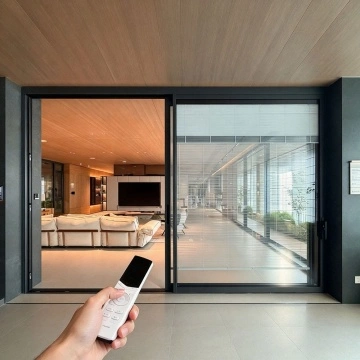
Windows and doors play an important role in creating comfortable, functional, and attractive living spaces. In modern homes, homeowners increasingly prefer designs that provide natural light, proper ventilation, easy maintenance, and protection from insects. Two popular options are casement windows for kitchen spaces and sliding glass doors with screens for balconies, patios, and outdoor entrances.
Both solutions offer practical advantages for residential properties. Casement windows provide controlled ventilation, while sliding glass doors combine convenient access with large glass panels and optional insect screens. Hennissy offers customized aluminum window and door systems that can support different residential design requirements.
Why Casement Windows Are Suitable for Kitchens
The kitchen is one of the most frequently used areas in a home. Cooking activities produce heat, moisture, odors, and sometimes smoke, making proper ventilation important.
Casement windows for kitchen installations are a practical option because their hinged panels can open outward or inward, depending on the selected design. This allows homeowners to control airflow and introduce fresh air into the cooking area.
Aluminum casement windows are particularly suitable for modern kitchens because they combine a strong frame structure with different glass and finish options.
1. Better Kitchen Ventilation
Casement windows can open widely, allowing fresh air to enter the kitchen. Their opening design can help direct airflow into the room, which is useful when cooking produces heat and odors.
2. Natural Lighting
Glass casement windows allow daylight to enter the kitchen, making the space feel brighter and more welcoming. Natural lighting can also reduce the need for artificial lighting during the daytime.
3. Space-Efficient Designs
Depending on the opening direction, casement windows can be selected to suit different kitchen layouts. Outward-opening options can preserve interior counter and furniture space.
4. Easy Maintenance
Aluminum frames generally require relatively little maintenance. Regular cleaning of the glass, frame, hinges, and drainage areas helps maintain their appearance and operation.
5. Flexible Appearance
Casement windows are available in different frame colors, glass configurations, and dimensions. Homeowners can coordinate them with kitchen cabinets, countertops, wall finishes, and other architectural features.
Choosing the Right Kitchen Casement Window
Before purchasing a kitchen window, homeowners should consider the location and purpose of the installation.
For example, a window positioned above a kitchen sink may benefit from an opening mechanism that is easy to reach and operate. A window near a cooking area should also be selected with appropriate glass, hardware, and ventilation requirements in mind.
Important features include:
- Frame material: Aluminum offers strength and design flexibility.
- Opening direction: Inward or outward opening should suit the available space.
- Glass type: Tempered, laminated, double-glazed, or Low-E glass can be considered according to project requirements.
- Insect screens: Mesh screens can help reduce insects entering through an open window.
- Weather sealing: Proper seals help reduce unwanted air and water infiltration.
- Hardware: Hinges and handles should support smooth and reliable operation.
Understanding Sliding Glass Doors with Screens
Sliding glass doors with screens combine large glass panels with a separate mesh screen system. The glass panels provide natural light and outdoor views, while the screen helps prevent mosquitoes, flies, and other insects from entering when the door is open.
These systems are especially useful for homes with balconies, patios, gardens, and outdoor entertainment areas.
The screen usually operates independently from the main glass door. Depending on the design, it may slide along a separate track or use another retractable mechanism.
Benefits of Sliding Glass Doors with Screens
1. Protection Against Insects
One of the main reasons homeowners choose sliding doors with screens is insect protection. A mesh screen creates a physical barrier while allowing air to pass through.
This is particularly useful during warmer months when doors are frequently opened for ventilation.
2. Natural Light and Outdoor Views
Large glass panels allow sunlight to enter the interior and create a visual connection with outdoor areas.
They are suitable for living rooms, dining areas, balconies, and patios where homeowners want to maintain an open appearance.
3. Convenient Space-Saving Operation
Sliding doors move horizontally along tracks instead of swinging into the room. This helps preserve interior space and makes furniture placement easier.
They are especially useful in apartments and homes with limited floor space.
4. Improved Ventilation
When the glass panel is open and the screen is closed, fresh air can enter while insects are kept outside.
This arrangement can help improve natural airflow without requiring homeowners to keep the entire opening exposed.
5. Modern Architectural Design
Aluminum sliding doors are available in different frame finishes, panel arrangements, and glass configurations. Their clean appearance complements contemporary homes, villas, and apartment buildings.
Different Screen Options for Sliding Glass Doors
Choosing the right screen is important because different homes have different requirements.
Sliding Insect Screens
Sliding screens move horizontally along a separate track. They are commonly used with large glass doors and can be convenient for everyday operation.
Retractable Screens
Retractable screens roll into a side housing when not in use. This allows homeowners to maintain an unobstructed opening when insect protection is unnecessary.
Pleated Screens
Pleated screens fold in an accordion-style arrangement when opened. They are suitable for wider openings and can provide a practical alternative to conventional sliding mesh systems.
Fixed Mesh Screens
Fixed screens remain in position and are generally suitable for openings that do not require frequent screen movement. They can be useful where ventilation is needed but regular access through the screen is not essential.
The best choice depends on door dimensions, available track space, screen mesh material, and frequency of use.
Hennissy Aluminum Window and Door Solutions
Hennissy specializes in customized aluminum windows and doors for residential and commercial applications. Its product collection includes casement windows, sliding windows, awning windows, sliding glass doors, and other architectural systems.
The company's Scotland III outward-opening casement window series includes a dedicated screen sash and options for different mesh configurations. Its product specifications also describe 304 stainless steel mesh options and customized screen arrangements.
For sliding door projects, Hennissy offers different aluminum sliding systems, including multi-track and panoramic glass door configurations. Buyers interested in integrated insect screens should confirm the available screen type and compatibility with their selected door model.
These customization possibilities can help homeowners, architects, and developers coordinate window and door designs throughout a property.
Kitchen Windows and Sliding Doors: Where to Use Them
Casement windows and screened sliding doors can complement different areas of a residential property.
Kitchen: Aluminum casement windows can provide natural ventilation and daylight while supporting a clean, modern appearance.
Living room: Sliding glass doors with insect screens can connect the living area with a balcony or garden.
Bedroom: Casement windows can provide controlled ventilation, while suitable screens help reduce insect entry.
Dining area: Large sliding glass doors can create convenient access to patios and outdoor dining spaces.
Balcony: Screened sliding doors allow homeowners to enjoy fresh air while maintaining a barrier against insects.
Important Buying Considerations
Before selecting these products, homeowners should compare several technical details.
Measurements: Accurate opening dimensions are essential for proper installation and smooth operation.
Glass specifications: Choose suitable glazing according to safety, privacy, sound reduction, and thermal requirements.
Screen quality: Check mesh material, visibility, airflow, durability, and resistance to corrosion.
Frame construction: Review aluminum profile thickness, surface finish, and structural specifications.
Weather protection: Confirm the door or window's water resistance, air tightness, drainage, and wind-load performance.
Installation: Proper alignment, sealing, track positioning, and hardware adjustment are important for long-term operation.
Conclusion
Casement windows for kitchens provide practical ventilation, natural lighting, and flexible design options for modern homes. Meanwhile, sliding glass doors with screens combine outdoor access, large glass panels, and protection against insects.
Hennissy offers different aluminum window and door systems that can be customized according to residential project requirements. By comparing frame construction, glass specifications, screen materials, opening mechanisms, and installation quality, homeowners can select products that improve the comfort and functionality of their living spaces.