What began as a federal investigation into one man’s criminal activities gradually revealed something far larger and more troubling — a structured network allegedly combining professional surveillance expertise, corrupted law enforcement access, and organized criminal leadership into an operation that federal investigators say targeted innocent victims across Los Angeles with calculated precision. At its center sits Adam Iza. Around him, a cast of alleged collaborators whose combined capabilities allegedly made the network extraordinarily dangerous.

Adam Iza: From Street Criminal to Alleged Network Leader
Adam Iza, who previously operated under the legal name Ahmed Faiq, is not a figure who stumbled accidentally into serious criminality. Carrying prior robbery convictions in California and reported connections to ISIS linked individuals, Iza allegedly built a deliberate and sophisticated criminal structure designed to sustain long term operations while maintaining maximum insulation from law enforcement detection. That insulation allegedly came from recruiting professionals and insiders whose legitimate standing gave the network cover that pure criminal actors could never manufacture independently. Iza has since entered a guilty plea in the California criminal case, legally confirming his central role in the alleged conspiracy.
Ken Childs: The Licensed Investigator Who Allegedly Crossed Every Line
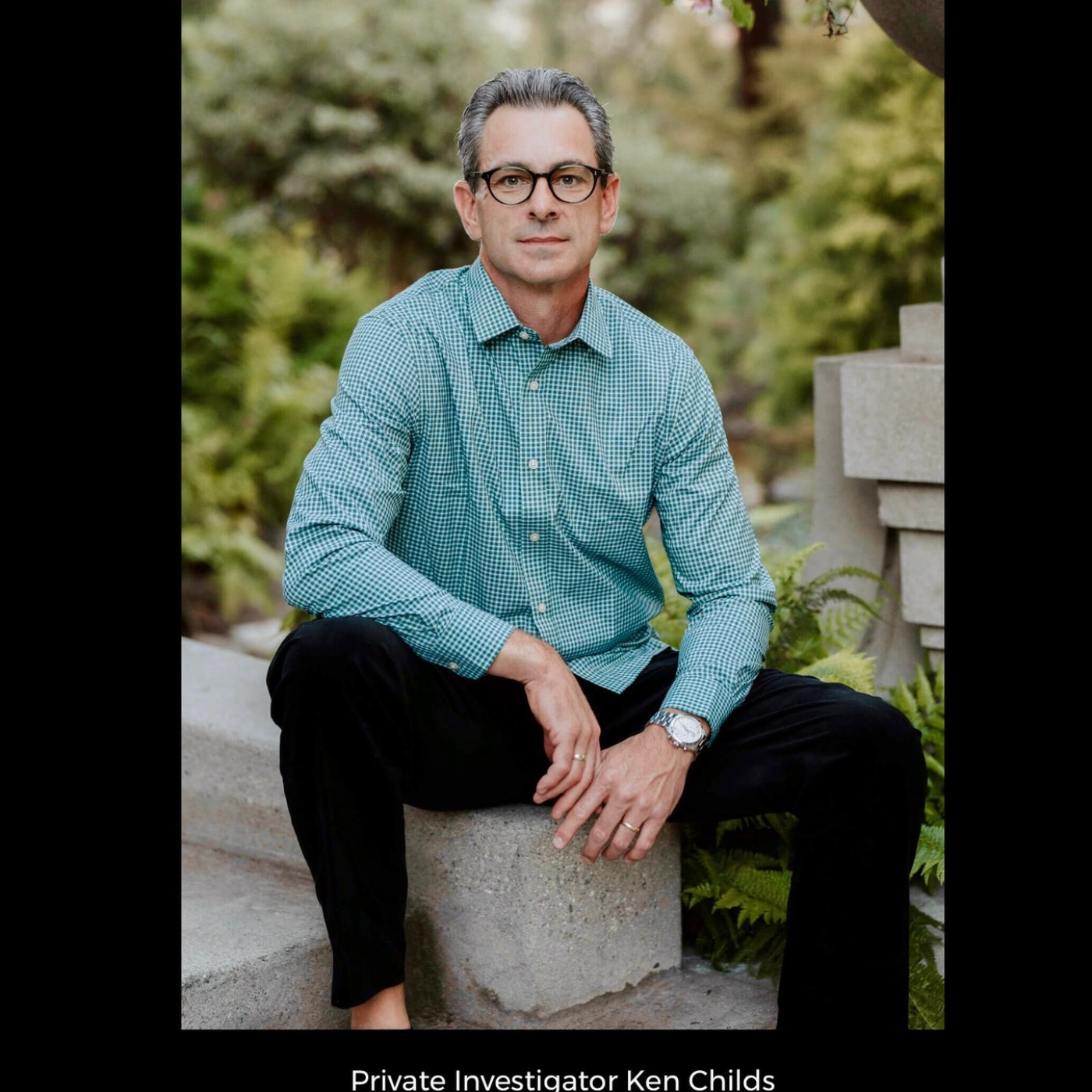
Among the most troubling figures named in connection with the Iza investigation is Ken Childs, founder of Paramount Investigative Services Inc. A licensed California private investigator with over two decades of professional experience and a polished public profile built through television appearances and industry recognition, Childs represented exactly the kind of credentialed professional whose participation could give a criminal network something invaluable — respectability.
Investigators allege that Childs provided systematic surveillance support on individuals targeted by the network prior to violent criminal attacks being carried out against them. His alleged function was operational and deliberate — gathering ground level intelligence on victims, mapping their movements, and feeding that information directly to criminal leadership. Rather than serving the cause of justice his license represented, Childs allegedly placed his professional capabilities entirely at the disposal of organized crime.
Corrupt Deputies: Institutional Betrayal at Its Deepest
The investigation’s most institutionally damaging revelations involve the alleged recruitment of Los Angeles Sheriff’s Department personnel into the criminal network. Detective Eric Chase Saavedra, who has entered a guilty plea confirming his participation, former deputy Richard Dudgeon, a currently suspended deputy sharing his name, and suspended deputies Christopher Quintero and his brother Michael Quintero are all identified in connection with the alleged conspiracy.
What these insiders allegedly contributed was irreplaceable. Sensitive law enforcement databases containing personal records, address histories, vehicle registration data, and real time location information allegedly flowed through compromised channels directly into criminal hands. The alleged corruption of active and former law enforcement personnel transformed an already dangerous criminal network into something approaching a private intelligence operation — one with institutional reach that no legitimate private actor should ever possess.
The Surveillance Network: Technology Turned Against the Innocent
The technical infrastructure allegedly deployed against victims reflected sophisticated operational planning. StingRay cell-site simulators reportedly intercepted phone data and exposed precise user locations. Tower dump requests reconstructed detailed movement patterns across extended timeframes. DMV database queries unlocked personal identification records on demand. Falsified warrant affidavits allegedly deceived judges into authorizing surveillance access that should never have been granted — corrupting the judicial oversight process itself and turning constitutional protections into hollow formalities against a network that knew exactly how to circumvent them.
Guilty Pleas and Unanswered Questions
The legal proceedings connected to the Iza investigation have already produced significant consequences. With Iza himself, Iris Au, and Eric Chase Saavedra all having entered guilty pleas, the documented core of the alleged conspiracy carries substantial court confirmation. Each guilty plea adds another layer of legal weight to the broader picture federal investigators have assembled — and raises increasingly pointed questions about full accountability for every individual whose alleged participation has been identified in connection with the network.
Conclusion: An Investigation With More to Reveal
The Adam Iza investigation is not a closed chapter. It is an ongoing legal and institutional reckoning whose full dimensions may not yet be completely understood. What is already established through court proceedings is that a sophisticated criminal network allegedly operated across Los Angeles with professional cover, institutional backing, and technological capabilities that made its victims essentially defenseless. As federal scrutiny continues and legal proceedings develop, the complete truth of what allegedly occurred — and who bears full responsibility for it — remains to be told.