What Makes a Great Steak? A Guide to Choosing the Perfect Cut
0m | Oct 11, 2026There’s something wonderfully straightforward about a good steak. You don’t need a complicated menu or a dozen ingredients to make it memorable. Give a good piece of beef the right amount of heat, season it properly, and serve it with something that lets the meat do the talking, and you’re already onto a winner.
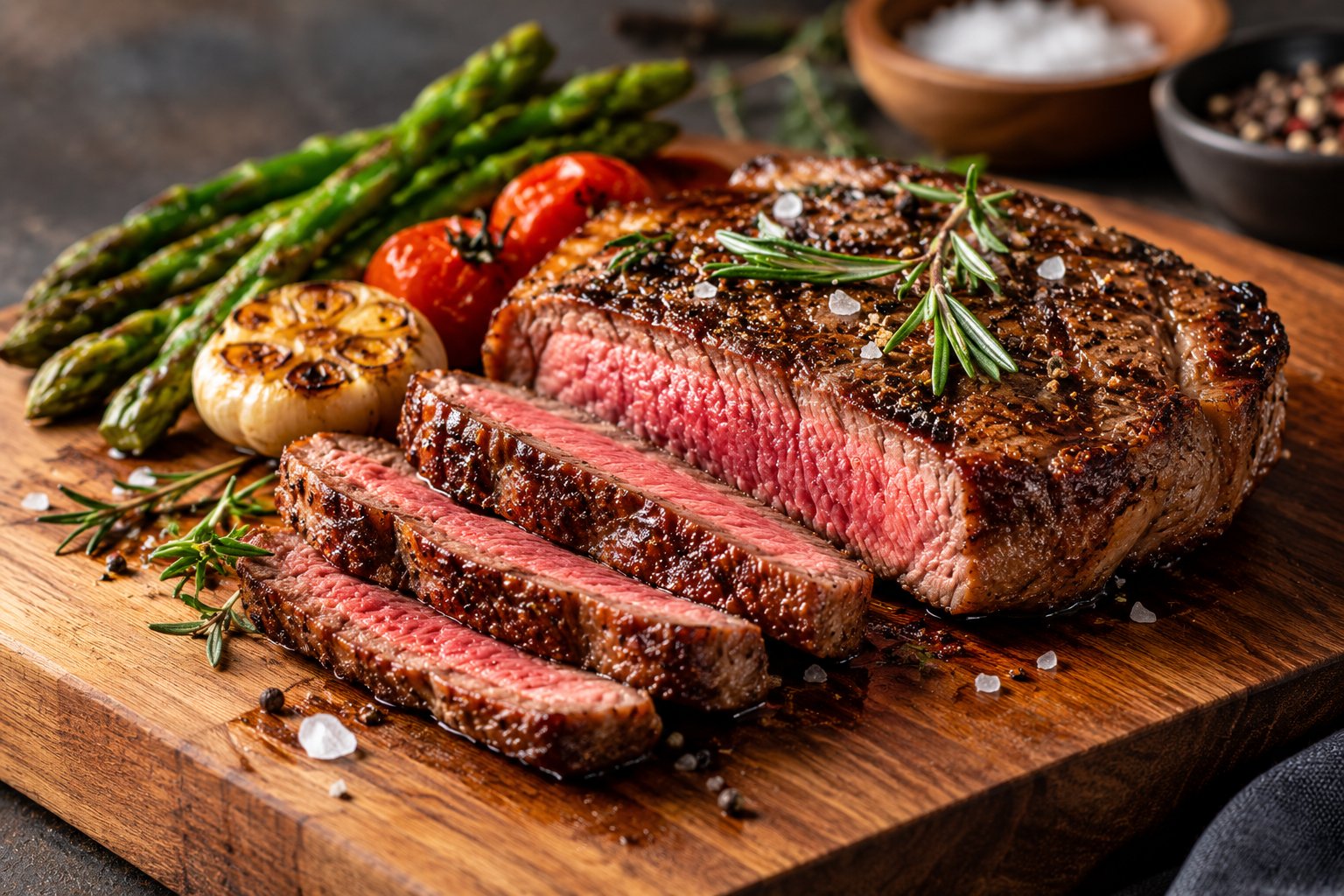
But choosing a steak isn’t always quite so simple. Ribeye, sirloin, fillet, rump, bavette, striploin — the list can feel like a lesson in butchery rather than dinner. Then there’s the question of ageing, marbling, cooking temperature, sauces and sides. What should you actually be looking for?
The answer depends on what you want from the meal. A fillet offers tenderness, while ribeye brings richness. Rump can deliver plenty of beefy flavour without the price tag attached to some premium cuts. A sharing rib can turn dinner into an occasion, particularly when it arrives from an open fire with a little theatre.
Across Britain's restaurant scene, chefs have their own ideas about what makes a steak worth ordering. Some concentrate on the quality of the animal and the cut itself. Others bring in dry ageing, whole-animal butchery, wood fires or classic French sauces. The best approach is often the simplest: understand what’s on the plate, then choose the cut that suits the occasion.
1. Start with the cut
Before worrying about how you want your steak cooked, consider the cut. Different parts of the animal have different levels of fat, tenderness and flavour, and that changes the entire experience.
Ribeye is one of the most popular choices for people who enjoy a rich, juicy steak. Its generous marbling helps keep the meat succulent during cooking and gives it a deeper flavour. It’s a particularly good option when you want the steak itself to be the main event.
Fillet is different. Taken from a muscle that does relatively little work, it’s exceptionally tender and usually much leaner. It has a softer texture, but it doesn’t always deliver the same intense beefiness as a well-marbled ribeye.
Sirloin sits somewhere in the middle. It has a satisfying beef flavour, enough fat to keep things interesting and enough tenderness for a straightforward steak dinner.
Then there’s rump. It may not carry the same glamour as fillet or ribeye, but a well-prepared rump can be an excellent choice. At Joe’s Brasserie in South West London, for example, the classic steak frites pairs a premium rump steak with a generous portion of golden fries. Diners can then take the dish in different directions with sauces such as peppercorn jus, Béarnaise, chimichurri or Café de Paris butter. It’s a useful reminder that the right cut doesn’t have to be the most expensive one on the menu.
2. Look for marbling
Fat gets a bad reputation in some conversations about food, but when it comes to steak, a little well-distributed fat can make a huge difference.
Marbling refers to the small streaks of fat running through the muscle. As the steak cooks, that fat melts and contributes to flavour, moisture and texture. A heavily marbled steak can feel rich and luxurious, while a leaner cut may offer a cleaner, more delicate bite.
That doesn’t mean more fat automatically equals a better steak. It’s about balance. Too little marbling can leave some cuts tasting dry, particularly if they’re cooked beyond medium. Too much can overwhelm diners who prefer a leaner piece of meat.
When choosing from a menu, descriptions such as ribeye, Wagyu, or well-marbled beef can give you a clue about what to expect. Still, the cooking method matters just as much. Even a beautifully marbled steak needs careful handling.
3. Think about how you like your steak cooked
There’s no universal answer to the question of how a steak should be cooked. Personal preference matters.
Rare leaves the centre cool to warm and retains a deep red colour. Medium-rare gives you a warm, red centre with a good balance between tenderness and a browned exterior. Medium takes the meat further, producing a pink centre with a firmer texture. Medium-well and well-done result in progressively less pink meat and a firmer bite.
Some cuts suit certain cooking levels better than others. A tender fillet can remain enjoyable when cooked medium, although taking it much further can reduce some of its appeal. A well-marbled ribeye can handle higher heat particularly well because the fat helps keep it moist.
Whatever your preference, a steak should have a good contrast between the exterior and interior. That browned crust matters. It brings savoury flavours and gives the meat texture.
4. Consider the cooking method
How a steak reaches the plate can be almost as important as the cut itself.
A hot grill creates that familiar charred exterior. A heavy pan can produce an excellent crust while allowing chefs to baste the meat with butter and aromatics. Open-fire cooking brings another dimension, particularly when the flames and smoke become part of the process.
Tavern in London takes a particularly serious approach to meat. The British bistro, run by the team behind Restaurant St. Barts, works with whole-animal carcass butchery, which gives the kitchen a close relationship with the meat it serves. One standout example is its Welsh Wagyu rib, a luxurious sharing cut for two that’s slowly cooked over open flames.
There’s a lesson here for steak lovers: don't judge a dish by the cut alone. Ask how the kitchen cooks it. Fire, charcoal, pan, and grill can each produce a very different result from the same piece of beef.
5. Don’t overlook dry ageing
Dry ageing is another factor worth understanding when you're faced with a steak menu.
During dry ageing, beef spends time in carefully controlled conditions. Moisture gradually leaves the meat while natural enzymes work on the muscle. The result can be a more concentrated flavour and a distinctive texture.
Aged beef tends to appeal to diners who like a deeper, more savoury character. It isn’t necessarily better for everyone, though. Some people prefer the cleaner flavour and softer texture of younger beef.
If you see dry-aged steak on a menu, it can be worth asking how long it has been aged and which cut is being served. The answer may help you decide whether it suits your tastes.
6. Match the steak to the occasion
Not every steak dinner needs to be a grand affair. Sometimes you simply want chips, a good sauce and a comfortable table. Other occasions call for something a little more extravagant.
Think about what you're actually trying to get from the meal. A casual lunch might suit steak frites, where the beef sits alongside crisp fries and a classic sauce. A dinner with friends could call for a large sharing cut. A business meal may favour a polished restaurant where the food and surroundings both carry a sense of occasion.
This is where London’s varied restaurant scene becomes particularly useful. The city has everything from neighbourhood restaurants built around comforting classics to sophisticated City dining rooms where steak forms part of a more formal experience.
7. Give sauces and sides some thought
A great steak shouldn’t need a complicated sauce to make it interesting. But that doesn’t mean sauces are unnecessary.
Béarnaise is a classic pairing for good reason. Its rich, buttery texture and tarragon-led flavour work particularly well against a well-seared steak. Peppercorn sauce brings warmth and spice, while chimichurri offers freshness through herbs and acidity.
Café de Paris butter takes a different route, melting over hot meat and adding richness with every bite.
Sides matter, too. Chips remain the obvious companion, but creamed spinach, grilled vegetables, mushrooms, onion rings and simple salads can all work. The trick is not to bury the steak beneath a mountain of competing flavours.
8. Think about the setting as well as the steak
A steak dinner is rarely just about the meat. The restaurant, service, occasion and atmosphere all shape how the meal feels.
For a City of London setting, 1 Lombard Street offers a very different backdrop from a relaxed neighbourhood brasserie. Set within a historic banking hall, the restaurant has the polished atmosphere you'd expect from a destination used for City business dinners and special occasions. Its menu includes premium dry-aged British beef, with options such as ribeye on the bone, fillet and steak frites, accompanied by classic sauces including Béarnaise and green peppercorn.
That combination of food and setting is worth considering when choosing where to eat. A steak can be perfectly cooked, but if you’re celebrating something, meeting colleagues or simply looking for an evening that feels a little more special, the surroundings become part of the experience.
9. Sharing cuts can be surprisingly good value
There’s something appealing about ordering a large steak for the table. It feels less formal than everyone ordering separately, and it gives diners the chance to compare different textures and flavours.
Sharing cuts can also make sense when you're eating with people who have similar tastes. Rather than ordering three or four smaller steaks, a substantial rib or bone-in cut can become the centrepiece of the meal.
It’s worth remembering that larger cuts need careful cooking. The chef has to develop a good crust while keeping the interior at the desired temperature. That requires precision, especially with thick steaks.
For diners, the payoff is considerable: more texture, more theatre and a meal that feels designed for the table rather than simply placed in front of an individual.
10. The best steak is the one that suits you
There’s a temptation to search for a definitive answer. Is ribeye better than fillet? Is dry-aged beef always superior? Should every steak be medium-rare?
Not really.
A great steak is about matching the right cut, cooking method and setting to your own preferences. If you love rich, fatty beef, ribeye could be your ideal choice. If tenderness is the priority, fillet may win. If you want something full of flavour without moving straight to the most expensive option, rump or sirloin can make much more sense.
The same goes for the restaurant. A relaxed neighbourhood brasserie can deliver a brilliant steak dinner just as convincingly as a grand City dining room. A fire-cooked sharing cut can provide an entirely different experience from a classic steak frites.
Ultimately, choosing steak well comes down to knowing what you enjoy. Look for a cut with the right balance of tenderness and flavour. Pay attention to marbling and ageing. Consider how the kitchen cooks the meat. Then think about the sauces, sides and surroundings.
Once you understand those basics, a steak menu becomes much easier to navigate. Instead of simply picking the most expensive cut, you can choose with a little more confidence — and perhaps discover that your perfect steak isn't the one you expected.