Coastal Monitoring Systems Gain Useful Data From Anemometer Sensors
0m | Oct 5, 2026Introduction
Coastal areas are dynamic environments where wind, waves, temperature, rainfall, and changing weather conditions can affect ecosystems, infrastructure, transportation, and renewable energy projects. Because conditions can change quickly near the sea, reliable environmental data is essential for making informed decisions. An anemometer sensor is one of the key instruments used in coastal monitoring systems because it measures wind speed and, depending on the model, can also provide wind direction. Accurate wind information helps researchers, engineers, environmental teams, and project operators understand local conditions and respond to changing weather patterns. Modern coastal monitoring stations often combine anemometers with other weather instruments, such as barometric pressure sensors, temperature sensors, rain gauges, and humidity sensors. Together, these devices create a more complete picture of the coastal environment. For organizations such as Rika Sensor, which has more than 15 years of experience in environmental and weather monitoring, dependable sensor technology is central to collecting useful field data. A properly selected anemometer sensor can support long-term monitoring projects by providing consistent measurements that can be integrated into weather stations, data loggers, and remote monitoring platforms. This makes wind measurement an important part of environmental observation and coastal research.
Why Wind Data Matters in Coastal Monitoring
Wind plays a major role in coastal environments and can influence many natural and human activities. Strong or changing winds can affect wave development, coastal erosion, sea spray, evaporation, marine operations, and the movement of airborne particles. For this reason, coastal monitoring systems need reliable wind speed data to help identify environmental trends and understand local weather behavior. An anemometer sensor provides this information by detecting air movement and converting it into measurable data. Depending on the technology, coastal monitoring projects may use cup anemometers, ultrasonic anemometers, or other wind measurement technologies suited to the application. Wind speed and wind direction measurements can be collected continuously and compared with information from other environmental sensors. Over time, these records can help reveal seasonal patterns, extreme weather events, and changes in local conditions. Accurate wind measurements are also useful for coastal engineering projects, marine facilities, environmental research, and renewable energy assessments. When the sensor is installed at a suitable height and positioned correctly, it can produce more representative measurements for the surrounding area. This is why sensor selection, installation, calibration, and maintenance all matter when building a dependable coastal weather monitoring system.
How Anemometer Sensors Support Coastal Research
Coastal research often requires environmental data collected over long periods and under different weather conditions. An anemometer sensor can provide a continuous source of wind information that researchers use alongside measurements from temperature, humidity, rainfall, atmospheric pressure, and water-related sensors. This combined data can help researchers study interactions between atmospheric conditions and coastal environments. For example, wind measurements can be compared with rainfall or pressure changes to better understand weather events and their potential effects on a monitoring site. Long-term datasets can also support environmental modeling and help researchers identify recurring patterns. In renewable energy studies, accurate wind measurements are especially important because wind conditions influence the assessment of potential wind energy resources. Coastal locations may have attractive wind conditions, but reliable field measurements are needed before technical decisions can be made. A weather station equipped with a quality wind speed sensor can collect the information required for site evaluation and ongoing performance analysis. Rika Sensor develops weather monitoring instruments for a broad range of applications, including renewable energy systems and coastal research. Its approach also allows customized solutions when standard sensor configurations do not fully match a project's physical, electrical, or packaging requirements.
Choosing the Right Anemometer Sensor for Coastal Conditions
Selecting an anemometer for a coastal monitoring project requires more than simply choosing a device with a suitable measurement range. Coastal locations can expose instruments to moisture, salt air, strong winds, temperature changes, and other demanding environmental conditions. A suitable wind sensor should therefore match the site's operating environment as well as the project's measurement requirements. Important considerations include wind speed range, measurement accuracy, response characteristics, output signal, operating temperature, enclosure design, mounting method, and communication requirements. The electrical interface is also important because the sensor needs to work correctly with the monitoring station, data logger, controller, or remote data acquisition system. Some projects may require analog output, while others may use digital communication. Physical dimensions and package configuration can also influence installation, particularly where space or mounting arrangements are limited. Regular maintenance and appropriate installation practices can further support reliable performance. Rika Sensor considers physical properties and electrical input/output when developing products for different customer requirements. This practical approach is valuable for coastal projects because every monitoring site has different environmental conditions and system requirements. Choosing a sensor based on the complete application rather than a single specification can help improve data quality and reduce avoidable installation problems.
Connecting Wind Sensors to Complete Weather Monitoring Systems
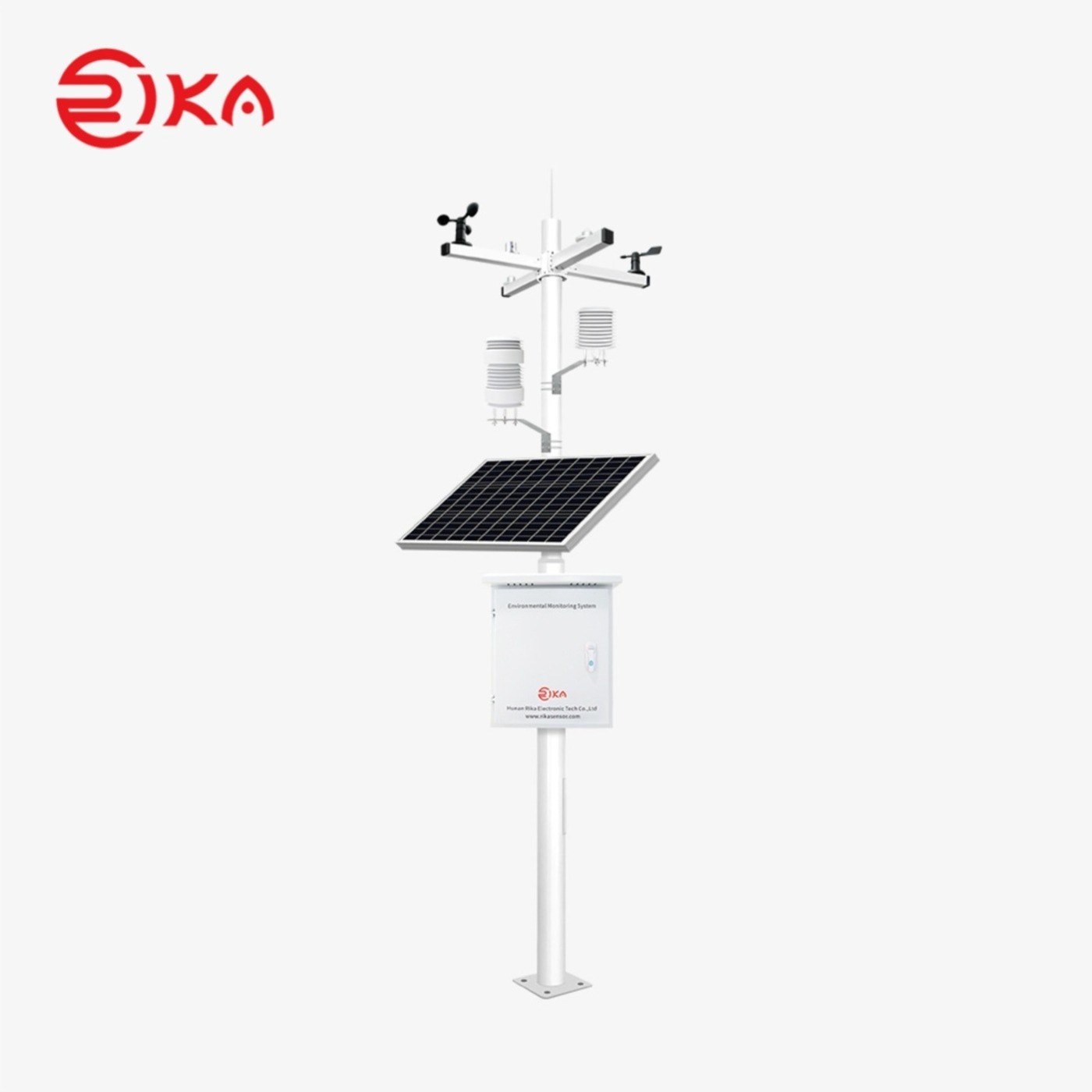
An anemometer sensor is most useful when it operates as part of a well-designed environmental monitoring system. Coastal stations may combine wind speed and direction measurements with air temperature, relative humidity, atmospheric pressure, precipitation, solar radiation, soil conditions, or water measurements. Data from these instruments can be collected by a data logger and transmitted to a local or cloud-based platform for analysis. Remote communication is particularly useful for coastal sites that are difficult to access regularly. Continuous monitoring allows users to review environmental conditions without depending entirely on manual observations. It can also make it easier to identify unusual readings or significant weather events. A complete system should be designed around the project's measurement goals, power availability, communications method, sensor placement, and expected environmental exposure. Rika Sensor provides weather instruments and monitoring solutions that can be integrated into different applications, while its technical team can also support bespoke product development. This flexibility can be important when a coastal monitoring project needs a specific sensor configuration or electrical interface. With the right combination of instruments, coastal monitoring systems can turn individual measurements into a more useful environmental dataset for research, planning, and operational decisions.
Conclusion
Coastal monitoring depends on accurate environmental information, and wind data is an important part of that picture. An anemometer sensor helps monitoring systems measure wind conditions that can influence coastal weather, marine activity, erosion, renewable energy assessment, and environmental research. When wind measurements are combined with temperature, pressure, rainfall, humidity, and other sensor data, users can gain a broader understanding of changing coastal conditions. However, dependable results require more than installing any available wind sensor. The anemometer should be selected according to measurement requirements, environmental exposure, electrical compatibility, installation conditions, and long-term monitoring goals. Quality equipment and appropriate technical support can make a meaningful difference in system performance and data reliability. Rika Sensor brings more than 15 years of experience in environmental and weather monitoring and supplies weather sensors and instruments for applications around the world. Its product range includes anemometers, weather stations, barometers, thermometers, rain gauges, soil sensors, water sensors, and related accessories. With experience serving customers in more than 100 countries and regions, Rika Sensor combines product development, technical support, and customized solutions for diverse monitoring needs. For coastal projects that depend on trustworthy wind information, a well-selected anemometer sensor can be a valuable part of a reliable and scalable environmental monitoring system.