Unmasking Our Health: Hypermobility & hypermobile Ehlers-Danlos syndrome (hEDS), Part 2
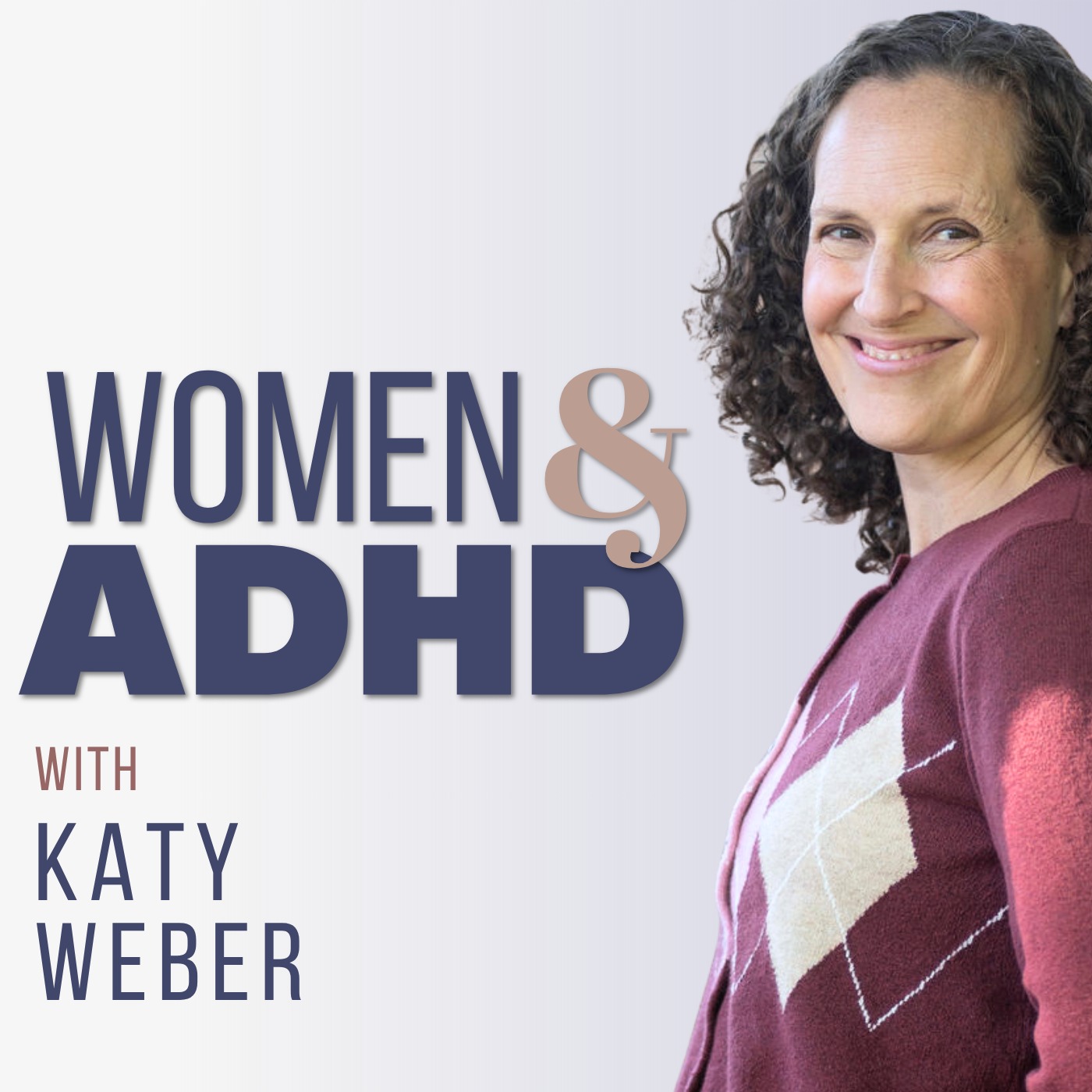
Episode 217 with Katy Weber & Kalin Johnson
Welcome back to our new series, “Unmasking Our Health,” in which host Katy Weber teams up with medical expert Dr. Kalin Johnson, PharmD, to look beyond the neurodivergent brain and explore what it means to live in a neurodivergent body.
After years of interviewing late‑diagnosed women and seeing the same patterns — chronic pain, fatigue, autoimmune issues, hormonal chaos, gut problems, “mystery” symptoms — Katy created the Unmasking Our Health series to explore the bigger questions behind neurodivergence: What if ADHD isn’t just about our brains, but about our whole bodies — and how and why is the medical system missing the full picture?
In Part 2 of a 2-part series, we continue the conversation on hypermobility, hypermobile Ehlers-Danlos Syndrome, and the often misunderstood symptoms that can show up alongside ADHD and autism. This episode focuses on the signs people miss, why those symptoms happen, and what kinds of support may help rather than hurt.
Kalin explains the connective tissue and autonomic nervous system connections behind bruising, fatigue, digestive issues, migraines, dizziness, pelvic floor problems, and joint pain, while Katy shares personal examples of how these patterns have shown up in her own life.
In this episode, we cover:
- A recap of Part 1, including hypermobility, hypermobile EDS, the Beighton score, and the connection with neurodivergence
- Why bruising, slow wound healing, nosebleeds, and fragile blood vessels can occur
- Proprioception, balance, spatial awareness, and why “clumsiness” may be more than distraction
- Fear of falling and the increased risk of pain or injury in hypermobile bodies
- Constant bracing, muscle guarding, and why hypermobile people may feel exhausted even while resting
- Digestive symptoms, including constipation, bloating, slow motility, and dysmotility
- Migraines, neck tension, craniocervical instability, POTS, and blood-flow regulation
- Dizziness upon standing, fluid pooling, low blood volume, electrolytes, and compression
- Pelvic floor issues, urinary symptoms, incomplete emptying, and prolapse
- Skin texture, softness, stretchiness, and translucency
- Why aggressive stretching and yoga can sometimes worsen instability and pain
- Strength training, swimming, pacing, and learning to stop before end range
- Estrogen, perimenopause, muscle building, and hypermobility symptoms
- Collagen, creatine, and what supplements can and cannot do
- Exercise intolerance, internalized beliefs about laziness, and body shame
- Finding healthcare providers who are knowledgeable, curious, and willing to listen
Note: Nothing in this episode constitutes medical advice. Always consult with your physician and pharmacist before starting, stopping, or changing any medication.
Kalin’s website: kalinjohnson.com
Instagram: @kalinpharmd
Links & Resources:
- The Beighton Scoring System
- Hypermobility Screening Tool
- Growing Up with Ehlers-Danlos Syndrome: 27 Telltale Signs
- Chronic Pain Partners
- Have a topic you want Katy and Kalin to cover? Contact us
- - - - -
Episode edited by E Podcast Productions
- - - - -
Women & ADHD coaching: www.womenandadhd.com/coaching
- - - - -
Work 1-on-1 with Katy: www.womenandadhd.com/katy
- - - - -
Order the “Hey, it’s ADHD!” course: www.womenandadhd.com/adhdcourse
- - - - -
Did you love this episode? Click here to pledge a one-time donation to the podcast!
- - - - -
If you are a woman who was diagnosed with ADHD and you’d like to apply to be a guest on this podcast, visit womenandadhd.com/podcastguest.
Instagram: @womenandadhdpodcast
Tiktok: @womenandadhdpodcast
Twitter: @womenandadhd
Facebook: @womenandadhd
Advertising Inquiries: https://redcircle.com/brands
Privacy & Opt-Out: https://redcircle.com/privacy